Registration is now open for the Minnesota Digital Library 11th Annual Meeting, to be held on June 4, 2013 at the Continuing Education and Conference Center on the University of Minnesota's St. Paul campus. This year, the keynote – provided by documentary storyteller Mike Mouw – and some of the breakout sessions will focus on the theme of digital storytelling. There will also be breakout sessions on topics like Minnesota's contribution to the Digital Public Library of America, an overview of online tools to promote digital collections, a discussion of the state of digital preservation in Minnesota, and more. Register now!
After some two and a half years in the making, the Digital Public Library of America (DPLA) has launched!
DPLA will deliver millions of materials found in American archives, libraries, museums, and cultural heritage institutions to students, teachers, scholars, and the public. Represented in this unprecedented national aggregation of digital content is the rich contribution of the Minnesota Digital Library (MDL) through Minnesota Reflections.
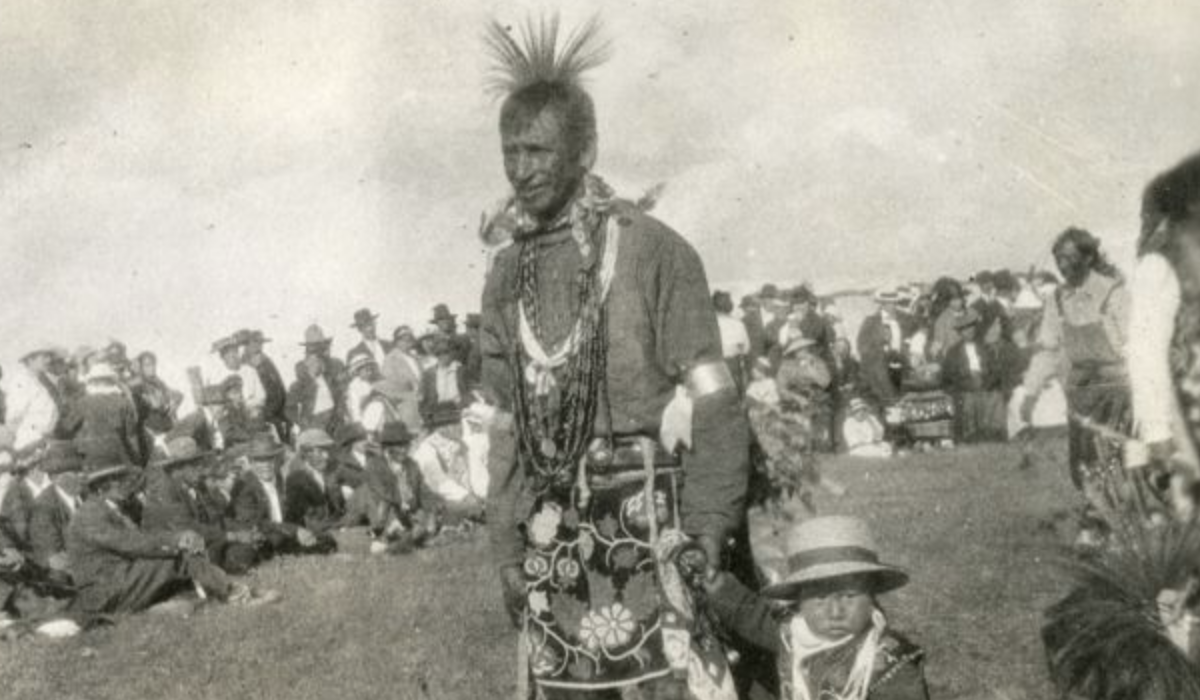
As a special part of the DPLA launch, the MDL, under the direction of curator Leah Bowe from the Minnesota Historical Society, has created a fascinating online exhibit on the topic of Native Americans, entitled History of Survivance: Upper Midwest 19th Century Native American Narratives. This exhibit tells a story of extraordinary culture disruption, change, and continuity and the effect that has had on the Native population of Minnesota.
The MDL is a nearly 12-year old mosaic of its own, still in the making, by the collective efforts of Minitex, the University of Minnesota Libraries, the Minnesota Historical Society, St. Cloud State University, and many other organizations and individuals, and a growing community of now over 150 organizational content contributors throughout the state.
At the June 4 Annual Meeting, the keynote and some of the breakout sessions will focus on the theme of digital storytelling. Simply put, digital storytelling refers to a social movement to use computer tools to help everyone share their life or family stories. We have invited documentary storyteller Mike Mouw (pictured, right) to keynote the Annual Meeting, followed by an update on the activities of the Minnesota Digital Library. The afternoon will feature a total of six breakout sessions on these topics: strengthening professional connections with social media, integrating digital resources in group tours with tablets, using HistoryPin and Timeline JS, digital preservation progress in Minnesota, The Digital Public Library of America, and "Think like a Documentary Filmmaker."
Registration will be announced in early May. Visit the Annual Meeting webpage for more information.
John Butler, Associate University Librarian for Data & Technology, University of Minnesota Libraries, was interviewed by a staff member at the Knight Foundation about the Minnesota Digital Library's work with the Digital Public Library of America. The DPLA is the first national effort to aggregate records from digital collections across the U.S. so they can be searched from a single place. The Minnesota Digital Library is one of seven service hubs chosen to participate in the DPLA's pilot project.
In his interview, Butler discusses how the MDL became involved, the types of contributors the MDL is looking to reach out to, what's unique about the content in Minnesota Reflections, benefits to the MDL's participation in the national project, the effect the launch of DPLA will have nationally, and the future of DPLA. The John S. and James L. Knight Foundation awarded $1 million to the DPLA to establish its seven service hubs.
A new batch of Teacher Guides for Minnesota Reflections is available for teachers to use with their students. 24 additional guides were produced during Year 2 of this project to help teachers make more thorough use of this growing collection of primary resources about Minnesota. Social Studies topics are covered in 21 of the new guides, and there are two new mathematics guides and one new science guide. The collection now contains 73 guides written by 18 current and retired teachers from across Minnesota.